Fibre in the diet assists with a number of metabolic processes;
- Improving the elimination of waste and keeping bowel movements regular.Assisting the removal of toxins from the body, including bile.
- Lowering blood sugar, reducing risks associated with type 2 diabetes.
- Increasing fat metabolism and regulating cholesterol (LDL) levels.
- Reducing blood pressure.
- Fibre feeds the microbiome and is essential in the production of Butyrate.
Butyrate is a short chain fatty acid produced by the microbiota, microorganisms that live in our gut, when they break down fibre. Butyrate is vital for gut lining repair and maintenance, supporting brain health and protection against disease.
Types of fibre
Soluble
Found in legumes, oats, apples, berries, linseed, chia seed, psyllium husk. Soluble fibres form a gel with water, slowing down digestion, providing that ‘replete’ feeling.
Insoluble
This comes from cellulose, the part of the plant that we are not able to digest. Celery, whole grains, nuts & seeds, carrots, courgette and cucumber peel. Insoluble fibre increases stool bulk is beneficial in reducing appendicitis, constipation, diverticulosis and possibly colon cancer.
Fermentable fibre /resistant starch
This is the type of fibre that is particularly beneficial to our gut bacteria, it can be both soluble and insoluble coming from oats, beans, legumes and whole grains. Other sources include rice and potatoes that have been boiled, cooled and chilled, bread that has been frozen then toasted. For some people fibre can exacerbate existing digestive disorders such as IBS, causing wind, bloating and frequent loose bowel movements. There may be a similar effect with FODMAP foods. FODMAPs are types of carbohydrates found in certain foods including wheat and beans that have been associated with high incidence of bloating, diarrhoea and constipation.
The approach used to control symptoms of IBS is often to reduce or eliminate fibre in the diet. However, for the health of the microbiome it is important not to completely avoid all fibre. A “High soluble fibre Low FODMAP” approach is favoured.
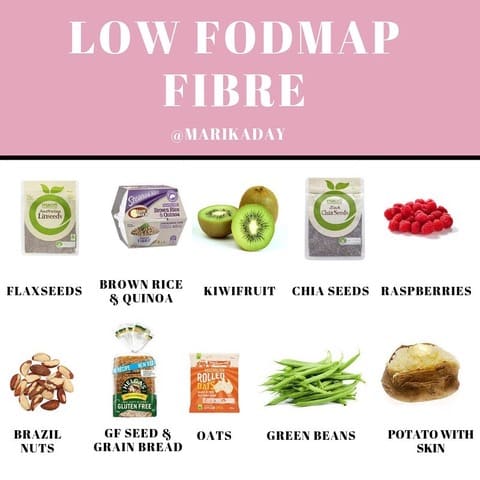
General recommendations for Fibre
• 25-35g daily for adults.
• Build up the amount of fibre in your diet slowly.
• Drink plenty of water.
Eat the Rainbow
Colourful fruits and vegetables not only contain fibre but also Phytonutrients (nature’s natural defences). Among the benefits of phytonutrients are antioxidant, anti-inflammatory and detoxification activities, helping to protect against cardiovascular disease, macular degeneration and cancers.
In addition, the different types of fibre from a variety of vegetables helps to promote diversity of micro organisms in the digestive tract.
Vitamin D Absorption
There is now a good awareness of the importance of Vitamin D for immune health and the role it plays in bone health. There are many Vitamin D supplements and many people taking them. However, studies have shown that without a healthy microbiome, no matter how much Vitamin D taken in from supplements, your body will not be able to utilise it.
People who have high levels of Vitamin D are also found to have good microbiome diversity.
A note about Sugar
Do you crave sugar ?
There are a number of reasons for sugar cravings. One is that your body is struggling to maintain blood glucose levels. The body is always looking for balance, homeostasis, if blood glucose dips then there will be signals to bring it back up. Eating sugar or refined carbohydrates (crackers, biscuits , etc.) will create a rapid raise in blood sugar unfortunately this is followed by a crash and the need for another sugar fix. Swings in blood sugar have been shown to be associated with long term health risks. (more on blood sugar another time)
We know that sugar feeds yeast, creating a bubbling effect, this effect can occur in the body as well as in the bowl, resulting in bloating and gas. A diet high in sugar will upset the balance of the microbiome. Feeding the yeast microbes allowing them to become over abundant and take over the good bacteria.
Too much yeast in the body can lead to trouble. Problems, including digestive disorders, genital infections, thrush, dandruff, eczema, fatigue, and headaches. The type of yeast that generally causes imbalances and associated problems is called Candida albicans.
Typical signs of Candida overgrowth can be frequent thrush infections, white tongue coating and bad breath. Candida is a single cell organism that feeds on sugar and will deprive the body of its essential nutrients and lead to systemic inflammation if left un checked.
In a healthy body a percentage of candida yeast is normal and its overgrowth is prevented by the other beneficial microorganisms. The important thing is to feed the good bacteria and not the bad.
Who is Craving Sugar you or your gut bacteria?